


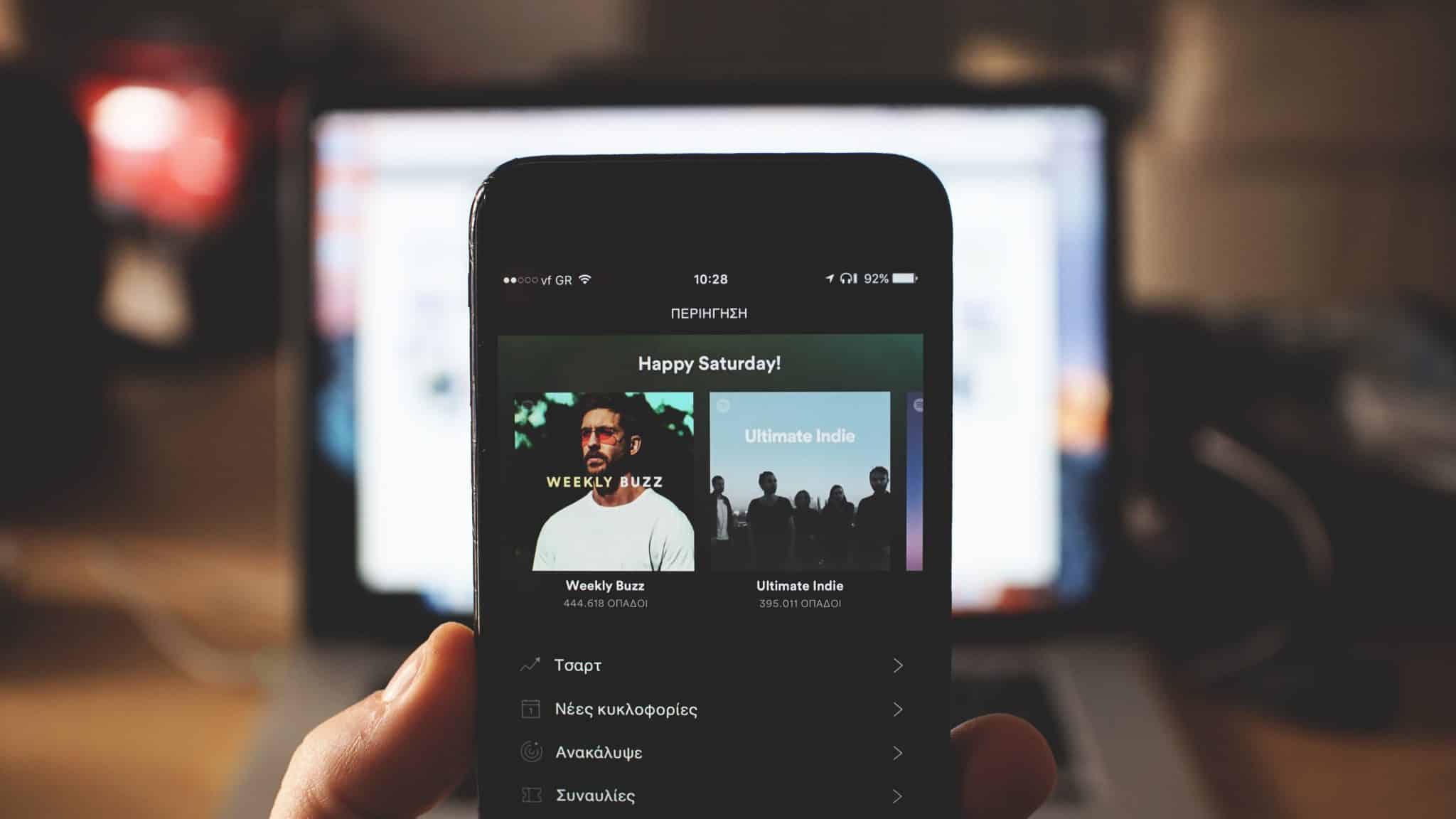
Releasing a single is deceptively straightforward. Choose a distributor, upload the master and artwork, and wait for the track to appear on Spotify, Apple Music and the rest. Getting people to actually listen – and keep listening – is the harder part.
Thousands of new tracks compete for attention every day. Without a clear plan, a good song can disappear quickly. A streaming promotion strategy turns a release from a one-day event into a campaign capable of attracting real listeners, generating useful data and building momentum for whatever comes next.
Here's how to put one together.
Decide What You Want the Single to Achieve
“Get more streams” is an understandable ambition, but it's too vague to guide a real campaign.
Think about the wider purpose of the release. Are you introducing a new project, reconnecting with an existing audience or building towards an EP? Maybe you want to grow your Spotify following, reach listeners in a specific country or encourage people to explore your back catalogue.
The answer shapes where you invest your time and budget. A debut artist likely needs broad discovery and profile visits, while an established act might be more focused on re-engaging previous listeners.
Set one or two primary goals and choose the metrics that will help you track them. Streams may be among those figures, but they shouldn't be the only ones.
Identify the Right Listeners
Promoting music to everybody usually means connecting properly with nobody.
Start by defining the kind of listener most likely to enjoy the single. Think about the genre, mood, lyrical themes and artists it might naturally sit beside. Be specific. “People who like pop” doesn't give you much direction, whereas “UK listeners aged 18 to 30 who follow emerging alt-pop artists such as…” gives you something genuinely useful to work with.
Your existing data can also reveal where real interest is already developing. Look at listener locations, age groups, playlist activity and the other songs your audience gravitates towards. Even a modest amount of data may highlight a city, country or listener type worth prioritising.
This research should shape your playlist pitching, advertising creative and social content. The aim isn't just to find available listeners – it's to find compatible ones.
Prepare Your Streaming Profiles
Before you send people to a streaming platform, make sure the destination actually feels complete.
Update your photos, biography and artist links. Check your discography is organised correctly and put together an artist playlist that introduces new listeners to your strongest material. Spotify Canvas clips and platform-specific features can add personality and movement to an otherwise static profile.
These details can feel minor compared to the music itself, but they matter. When someone discovers your single through a playlist or advert, they may visit your profile for only a few seconds. A clear, active presence gives them a reason to stay and explore.
The same principle applies off-platform. Your social accounts should look current and make an obvious connection to the new release.
Start Before Release Day
A streaming strategy shouldn't begin on the morning the song goes live.
Build a timeline that covers the weeks before and after release. In the run-up, that might include submitting the track through Spotify for Artists, reaching out to relevant curators, preparing advertising campaigns and gradually introducing the song through social content.
Avoid leaning on one repetitive pre-save graphic. Share a lyric, a rehearsal clip, a fragment of the production process or the story behind the track. Varied content gives people different reasons to pay attention.
Give external partners enough lead time too. Curators, marketers and journalists are unlikely to do their best work when a track lands in their inbox two days before release with an urgent email attached.
Understand the Different Types of Playlists
Playlist promotion can be valuable, but it helps to understand what you're actually targeting before you start.
- Editorial playlists are selected by Spotify's internal team. Getting on one requires a pitch through Spotify for Artists at least seven days before release.
- Algorithmic playlists (Discover Weekly, Release Radar, Spotify Radio) are driven by listener behaviour. They can't be pitched to directly, but they respond to genuine engagement signals from real listeners.
- Independently curated playlists are managed by external curators and range from small, highly engaged genre communities to much broader collections.
Each can contribute to discovery, though a placement alone doesn't guarantee meaningful growth. Relevance matters more than follower count. A well-matched niche playlist may produce saves, repeat plays and profile visits, while a larger but poorly targeted one delivers little beyond a temporary spike.
Artists who want professional support can explore targeted digital streaming promotion built around genre-aligned pitching, genuine engagement and longer-term audience development.
Support Streaming With Content and Advertising
Playlist pitching shouldn't carry the whole campaign on its own.
Short-form video, live clips, visualisers and behind-the-scenes content can help a single travel across TikTok, Instagram and YouTube. Not everything needs to look polished. A simple performance filmed in a distinctive location can feel more convincing than an expensive video with no personality behind it.
Paid advertising can put your strongest content in front of carefully selected audiences. Start with several creative ideas rather than placing the entire budget behind one advert. Test different clips, messages and audience groups, then shift spend towards the combinations that produce meaningful actions – profile visits, saves, follows or listens to other releases.
Cheap clicks and large impression counts can look impressive on a dashboard, but they don't always reflect genuine interest.
Measure Listener Behaviour, Not Just Streams
The largest number on a dashboard isn't always the most revealing one.
A stream confirms that a track played long enough to register. It doesn't tell you whether the listener enjoyed it, remembered the artist or ever came back. As a Digital Music New analysis has noted, stream counts alone don't tell the full story of music marketing performance.
Alongside total streams, pay attention to:
- Unique listeners and repeat listening rates
- Saves and personal playlist additions
- Spotify follower growth
- Traffic sources and listener locations
- Algorithmic playlist activity
- Visits to other songs in your catalogue
- Social follows, mailing list sign-ups or ticket sales
Viewed together, these figures tell a much clearer story. Fewer streams with a healthy number of saves and new followers may be considerably more valuable than a large burst of passive plays that go nowhere.
Be Careful With Guaranteed Results
Any service promising a fixed number of streams or guaranteed playlist placements deserves scrutiny.
Ask where the listeners will come from, how playlists are assessed and what reporting you'll receive. Artificial activity and irrelevant placements can distort your data without building a useful audience. In more serious cases, suspicious streaming patterns can create real problems with your distributor or the platforms themselves.
Genuine promotion always carries some uncertainty. Nobody can make listeners enjoy a song. A credible campaign should be able to explain its methods clearly, demonstrate that it targets relevant audiences and show you what happens after someone presses play.
Transparency is far more useful than an impressive promise.
Keep Promoting After Launch
Release day is the beginning of the public campaign, not the end of it.
Use early results to guide what happens next. If one video performs particularly well, develop the idea further. If listeners emerge in an unexpected city, consider a targeted campaign there. A strong playlist placement, a review or fan-created content can give you a fresh reason to talk about the single again.
Acoustic versions, remixes, live sessions and stories about the recording process can also extend a track's lifespan. Just avoid dragging the campaign on when there's nothing new to say. The goal is to build on genuine interest, not exhaust it.
Once the campaign wraps up, review the results honestly. Note which audiences responded, which content attracted attention and which channels produced little value. That information should feed directly into the plan for your next release.
A successful streaming strategy doesn't just make one song look busier for a few weeks. It helps you understand your audience, strengthens your position on the platforms and gives your next release a better foundation to build from. Streams matter, of course, but the real prize is finding listeners who save the song, follow the artist and come back when the next one arrives.







Recent Comments