


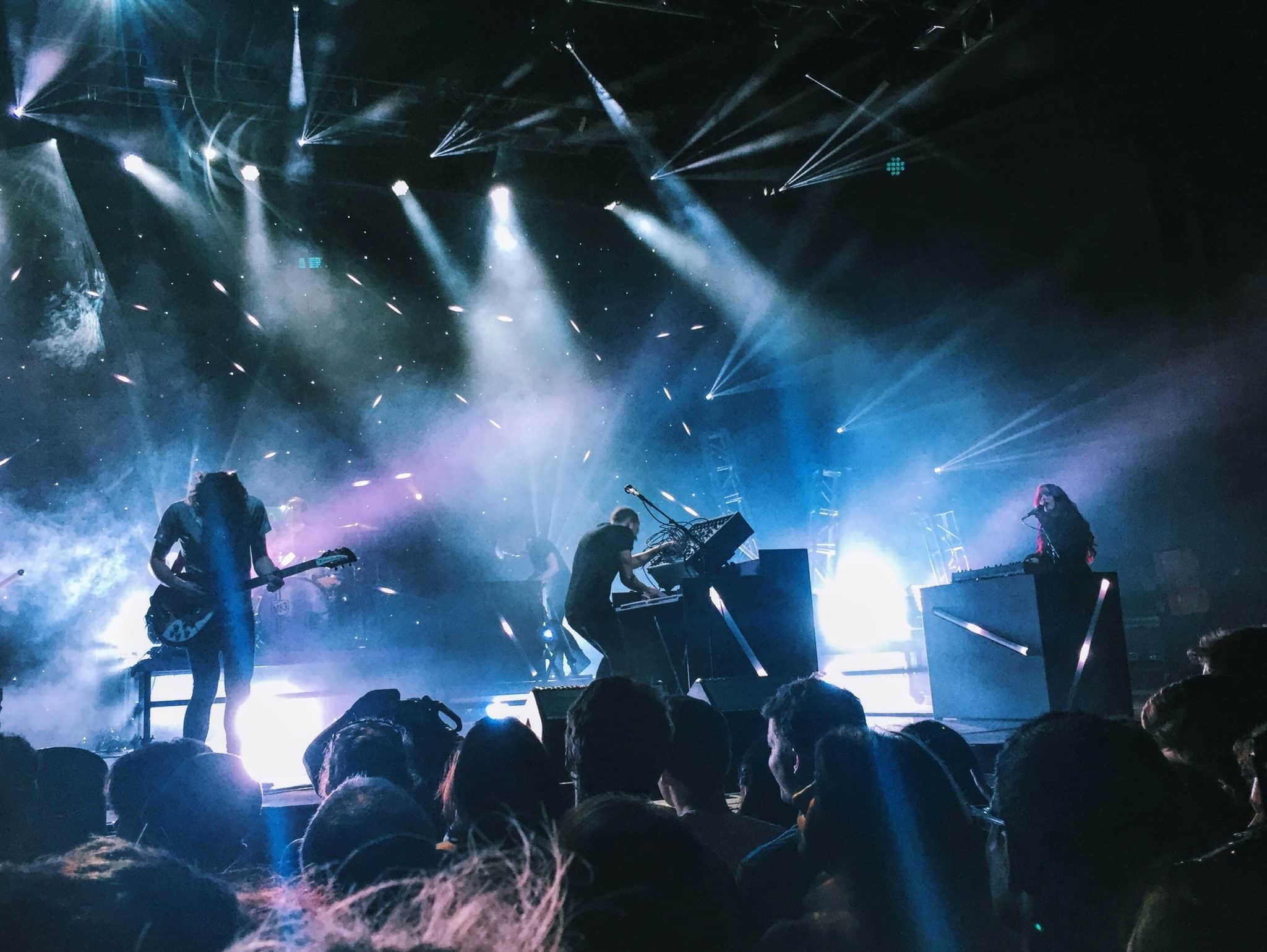
Playing music for a living or a passion comes with a hidden cost: your hearing. Whether you're gigging three nights a week or recording late into the night, your ears absorb every note, every soundcheck, and every rehearsal at volumes most people never experience.
Unlike someone working in an office, you can't simply turn things down without compromising your performance.
The good news? Protecting your hearing doesn't mean sacrificing sound quality.
With the right approach, indie musicians can safeguard their ears while still delivering the performances their audiences expect. This post covers five practical strategies to help you do just that.
Why Musicians Are at Greater Risk of Hearing Loss
Music is meant to be felt, not just heard. But that intensity comes at a cost. Safe listening levels sit around 60 decibels, roughly the volume of a normal conversation.
An average symphony orchestra, by comparison, can reach around 120 decibels. Even outside a concert hall, exposure to more than 89 decibels for over five hours a week is enough to cause lasting hearing damage.
Indie musicians face this risk from multiple directions:
- Live performances and band rehearsals
- Amplified instruments and stage monitors
- Drum kits and percussion sections
- In-ear monitors used at high volumes
- Headphones during recording, editing, or mixing
It's not just about how loud something is. Duration matters just as much.
A single loud gig might not cause lasting harm, but repeated exposure night after night adds up.
Your ears often send warning signals before damage becomes permanent. Watch out for:
- Ringing or buzzing after a rehearsal or show
- Muffled hearing that lingers post-performance
- Needing to turn monitors up louder than you used to
- Struggling to follow conversations in busy places
- A growing sensitivity to loud sounds
If any of these feel familiar, it's worth taking action now rather than waiting until the damage is done.
1. Use Attenuated Earplugs, Not Standard Foam
Standard foam earplugs weren't designed with musicians in mind. They reduce all frequencies unevenly, which flattens the richness of the music and leaves everything sounding muffled or distorted.
It's no surprise many musicians avoid wearing them altogether, even when they know they should.
Attenuated earplugs solve this problem. Rather than blocking sound indiscriminately, they selectively reduce the damaging frequencies while preserving clarity, so you still hear the music as it's meant to sound, just at a safer volume.
This matters even more if you don't use in-ear monitors. Without that extra layer of controlled sound, your ears are exposed directly to whatever the room throws at them.
2. Take Regular Listening Breaks
The longer your ears are exposed to loud sound, the greater the risk.
Building short breaks into your rehearsals and practice sessions gives your hearing a genuine chance to recover.
A few small habits go a long way:
- Step away from speakers and amps whenever you get the chance
- Schedule short pauses during long rehearsal blocks
- Give your ears dedicated downtime after a particularly loud gig
Even five to ten minutes away from the noise can meaningfully reduce the cumulative strain on your hearing over a week of shows and rehearsals.
3. Optimise Your Monitor Mix and Levels
If you use in-ear monitors, how you use them matters just as much as whether you use them.
Starting at the lowest comfortable level and adjusting up only when necessary keeps you from creeping into damaging territory without realising it.
A few adjustments to consider:
- Make sure your in-ear monitors form a proper seal. A poor fit often tempts musicians to turn the volume up to compensate.
- Aim for a balanced mix across instruments and vocals, rather than cranking the overall volume to hear yourself better.
- Avoid sudden volume spikes mid-performance, which can shock your ears more than a gradual increase.
Small tweaks like these can make the difference between monitors that protect your hearing and monitors that quietly damage it.
4. Position Yourself Strategically
Where you stand on stage or in the rehearsal room has a direct impact on your noise exposure.
A few metres of distance from a loud amp or a drum kit can meaningfully lower the sound hitting your ears.
Where possible, try to:
- Avoid standing directly in front of amplifiers or speakers
- Create extra distance from drum kits and brass sections
- Angle speakers away from your ears rather than straight at them
- Use acoustic screens to absorb or redirect sound where appropriate
None of these changes affect your sound to the audience, but they can make a real difference to what your ears are exposed to night after night.
5. Get Regular Hearing Assessments
Many musicians notice subtle changes in their hearing long before those changes affect everyday life. That's exactly why regular hearing checks matter.
Scheduling an assessment every one to two years helps you catch early warning signs before they progress into something permanent.
Regular testing also gives you a baseline. If your hearing does start to shift, you'll know quickly and can adjust your protection strategy accordingly.
And if everything checks out fine, you get the reassurance that your current approach is working.
Protect Your Hearing, Protect Your Career
Your hearing is the foundation of everything you create as a musician. Treating it as a long-term investment, rather than an afterthought, means you get to keep making music for decades rather than years.
None of these five strategies require you to compromise on sound quality. Attenuated earplugs, mindful monitor use, smart positioning, regular breaks, and routine hearing checks all work together to protect your ears without dulling your performance.
If you don't currently use in-ear monitors, a good pair of attenuated earplugs is one of the simplest changes you can make.
Take a look at the range available from EarpieceOnline and give your ears the protection they need to keep up with your music for years to come.


Recent Comments